StringBuffer,StringBuilder,String 类源码实现机制详解
二者区别与联系
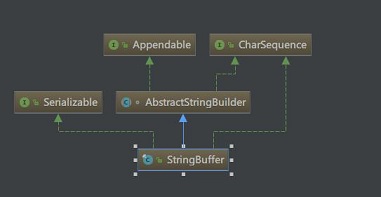
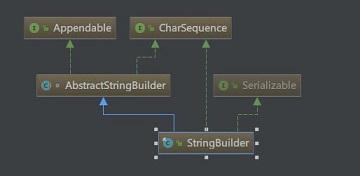
二都都继承自父类AbstractStringBuilder
对应方法中,StringBuffer 加入了synchronized所以说是线程安全的
自动扩容
机制源于父类AbstractStringBuilder
计算最小长度
按原串双倍计算,如果小,则直接加上后串的长度
1
2
3
4
5
6
7
8
9
10
11
12
13
14
15
16
17
18
19
20
21
22
23
24
25
26
27
28
29
30
31
32
33
34
35
36
37
38
39
40
41
42
43
44
45
46
47
48
49
abstract class AbstractStringBuilder implements Appendable , CharSequence {char [] value;int count;public AbstractStringBuilder append (String str) {if (str == null )return appendNull();int len = str.length();0 , len, value, count);return this ;private void ensureCapacityInternal (int minimumCapacity) {if (minimumCapacity - value.length > 0 )void expandCapacity (int minimumCapacity) {int newCapacity = value.length * 2 + 2 ;if (newCapacity - minimumCapacity < 0 )if (newCapacity < 0 ) {if (minimumCapacity < 0 ) throw new OutOfMemoryError ();
String 的不可变性 String 不可变参考
String 的不可变性在其源码中可以看出为什么不可变:
String是类型的,不可继承,防止被子类修改
其本质为char数组,采用了private final修饰,就可以避免我们手动修改数组内的内容。
1 2 3 4 5 6 7 8 9 10 11 12 13 14 15 16 17 18 19 public final class String implements java .io.Serializable, Comparable<String>, CharSequence {private final char value[];private int hash;